


Our Approach
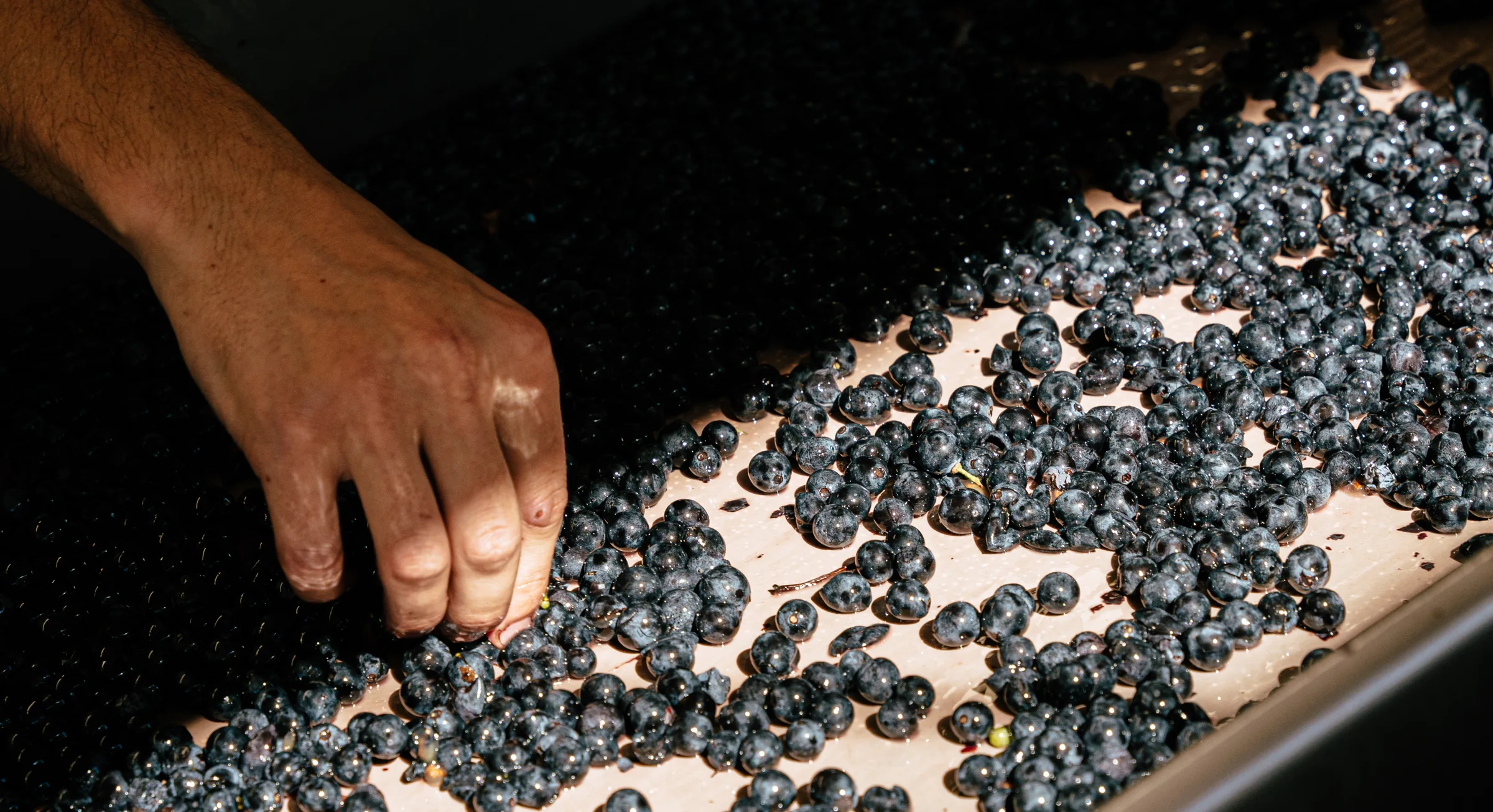
Our vision is born of listening to the land and the precision of science
Rooted in the soil
Every winemaking decision begins with listening to the land, from the study of the soil to the life of each individual parcel.
In service of the land
Science and technology become instruments in service of the land, allowing us to read it in depth and translate it into the glass with precision.
Method and direction
Listening is our method
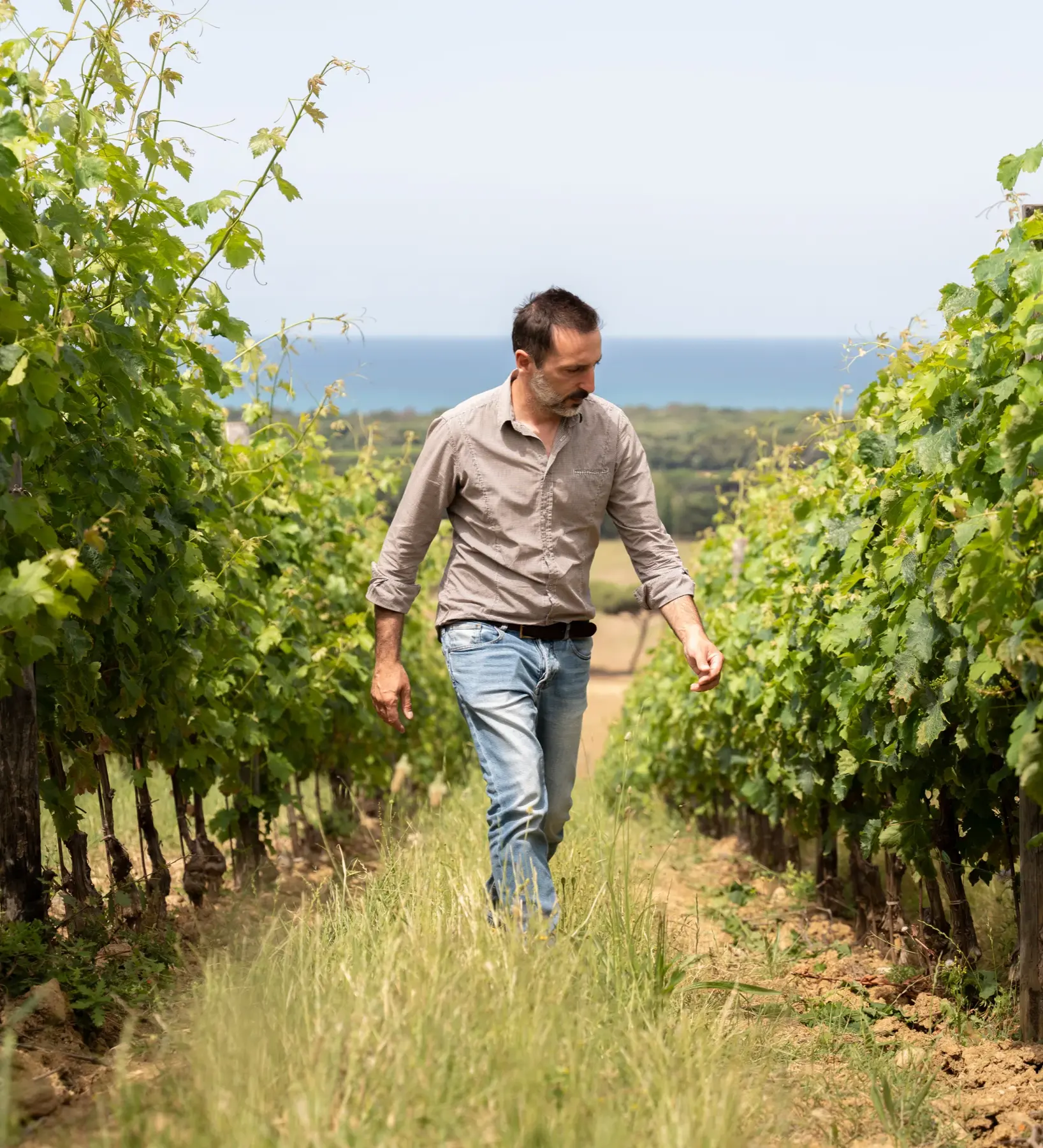
Our winemaking decisions bear the signature of Eric Boissenot, alongside Emiliano Falsini and agronomist Stefano Galbiati, with the collaboration of Vitenova.
Together we work by Climats, interpreting each parcel for what it truly is, never bending it to a predetermined style.
The winemakers of the Estate
Eric Boissenot
A Bordeaux oenologist among the most authoritative in the world, Eric Boissenot is known for his work with Château Lafite Rothschild, Latour, Margaux and Mouton Rothschild. He has stood alongside the Estate since the project began and guides its winemaking direction, uniting the sensibility honed in the great Bordeaux terroirs with a deep attentiveness to the Climats and the identity of Bolgheri.


The winemakers of the Estate
Emiliano Falsini
Among the most respected oenologists in Italy, Emiliano Falsini brings to the project a deep knowledge of Italian wine regions and of the Bolgheri area. At the Estate he oversees the day-to-day decisions, so that Hortense, Harte and Clinio may fully express the immense richness of the land of Bolgheri.
Studying and understanding the land
Before planting a single vine, we chose to listen to the land. Studying this terroir in detail, soil by soil, is the condition from which each of our wines is born.
Soil study
Different soils, different wines
In Bolgheri the soil can change within a few metres, and the wine changes with it. Our three labels are born of three distinct terroirs, where the micro-variability of rock, limestone and altitude shapes unmistakable identities. Listening to these differences is the first step of our work.
Hortense soil
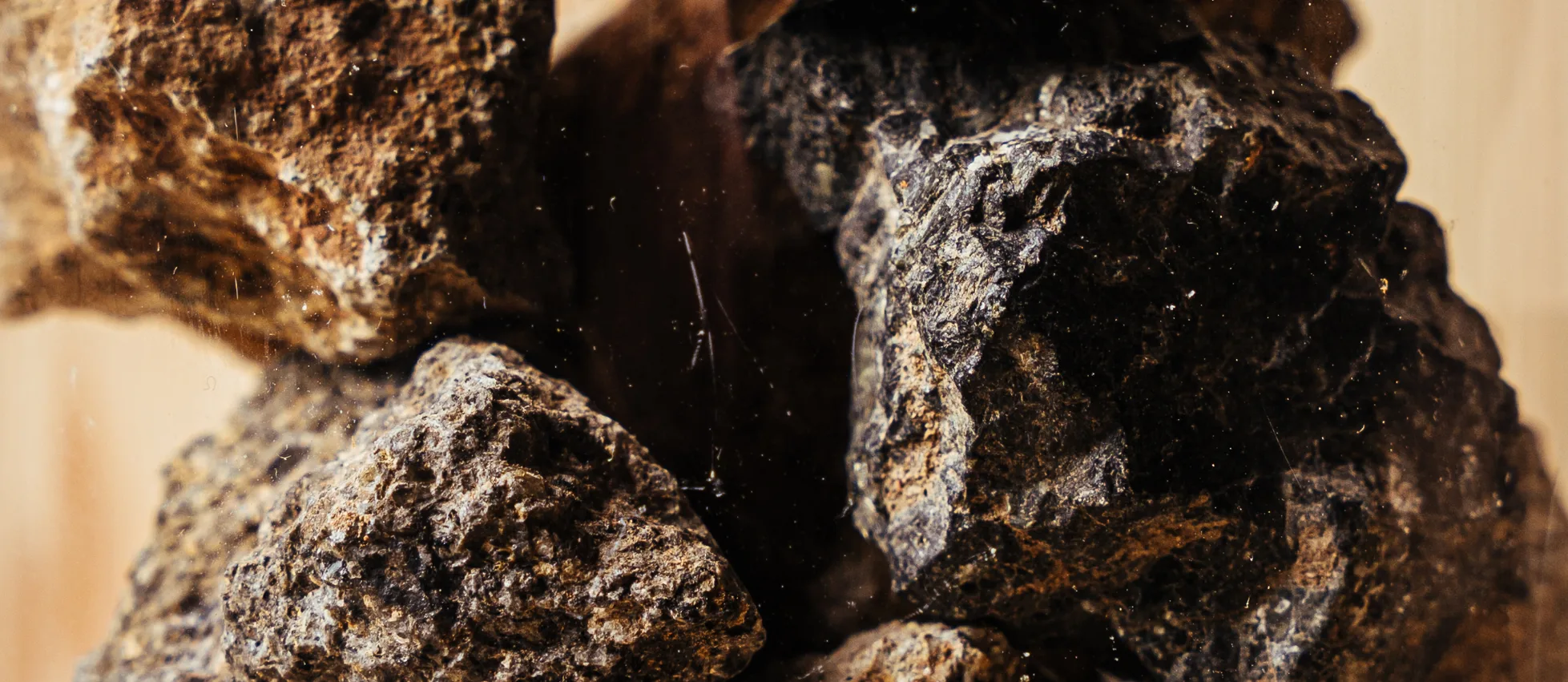
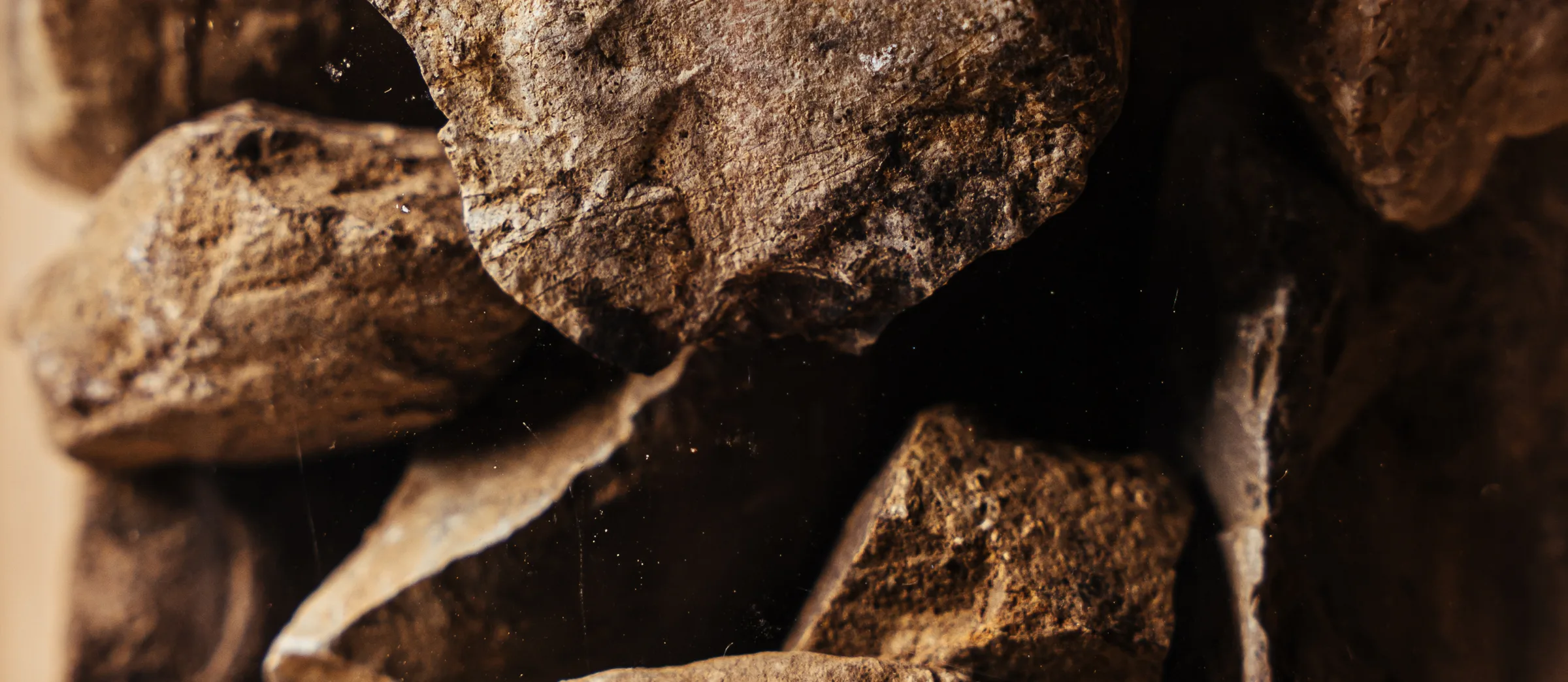
The Hortense soil is born of volcanic rocks that are rare in Bolgheri. It is here that the wine finds its freshness and its vertical drive.
Harte soil
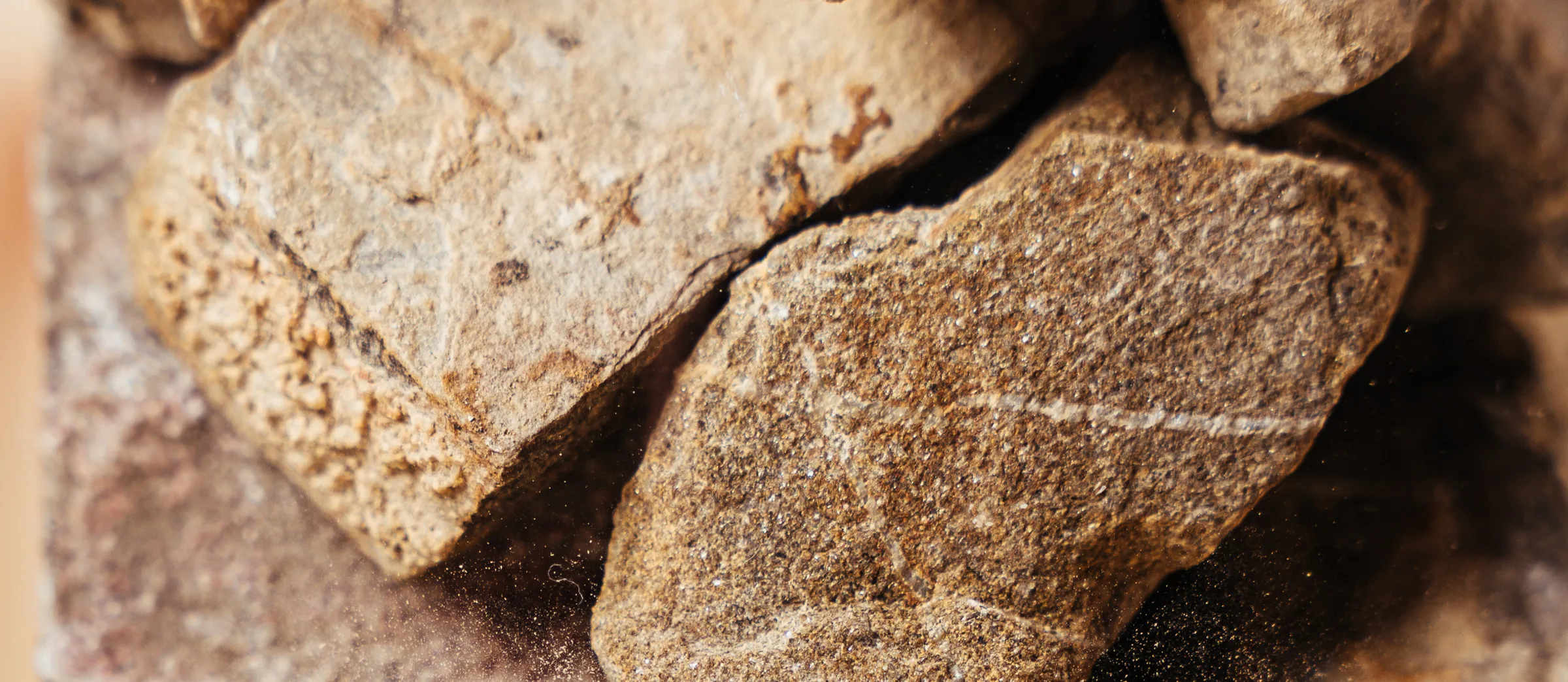
The Harte soil interweaves siliceous rock with a strong calcareous presence. From this balance come the minerality and tension that are its signature.
Clinio soil
The Clinio soil is the deepest and most fertile, on the hills closest to the sea. It gives the wine a sunlit profile, supple and immediate.
Micro-parcelling
1,300 hectares
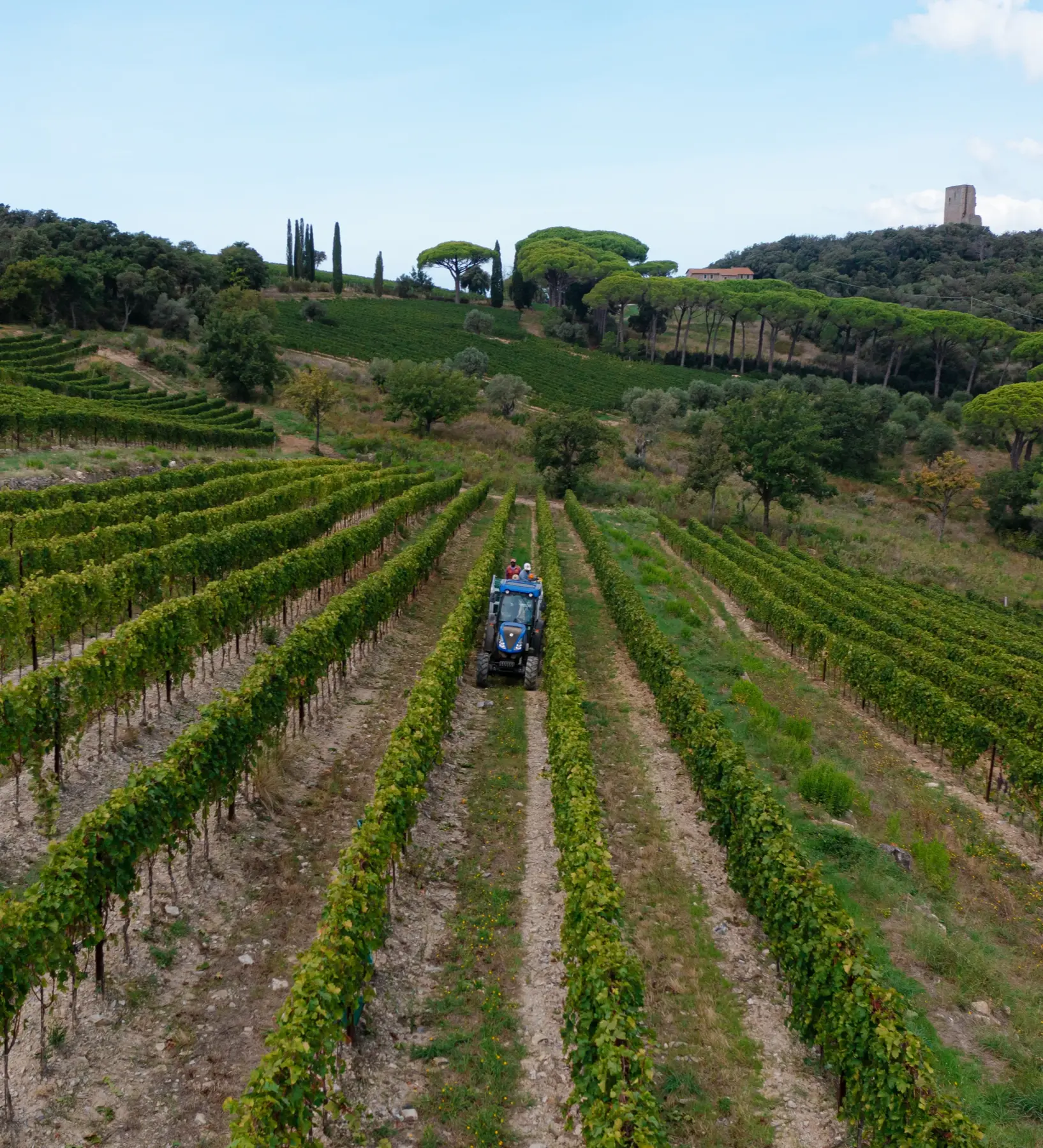
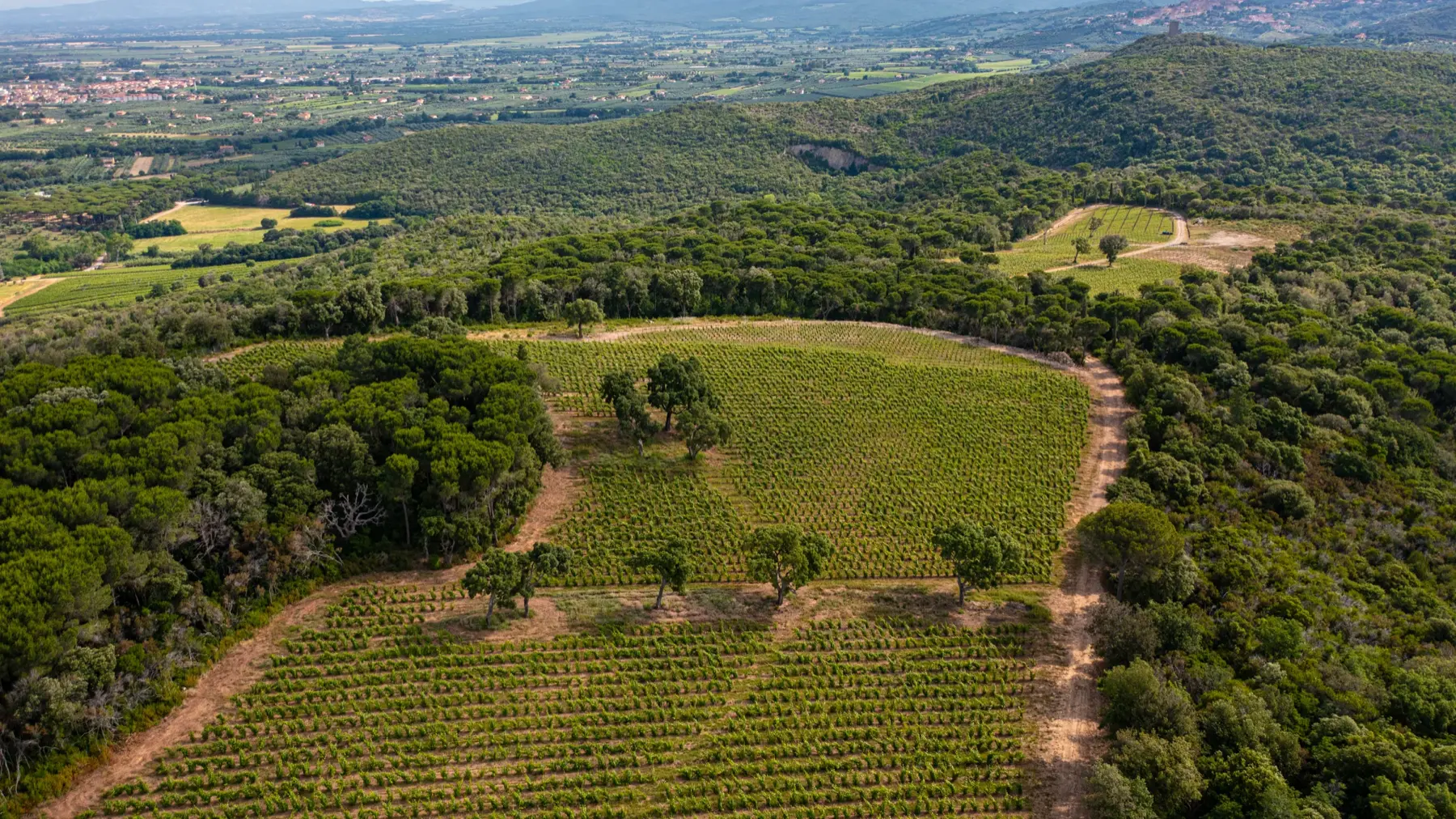
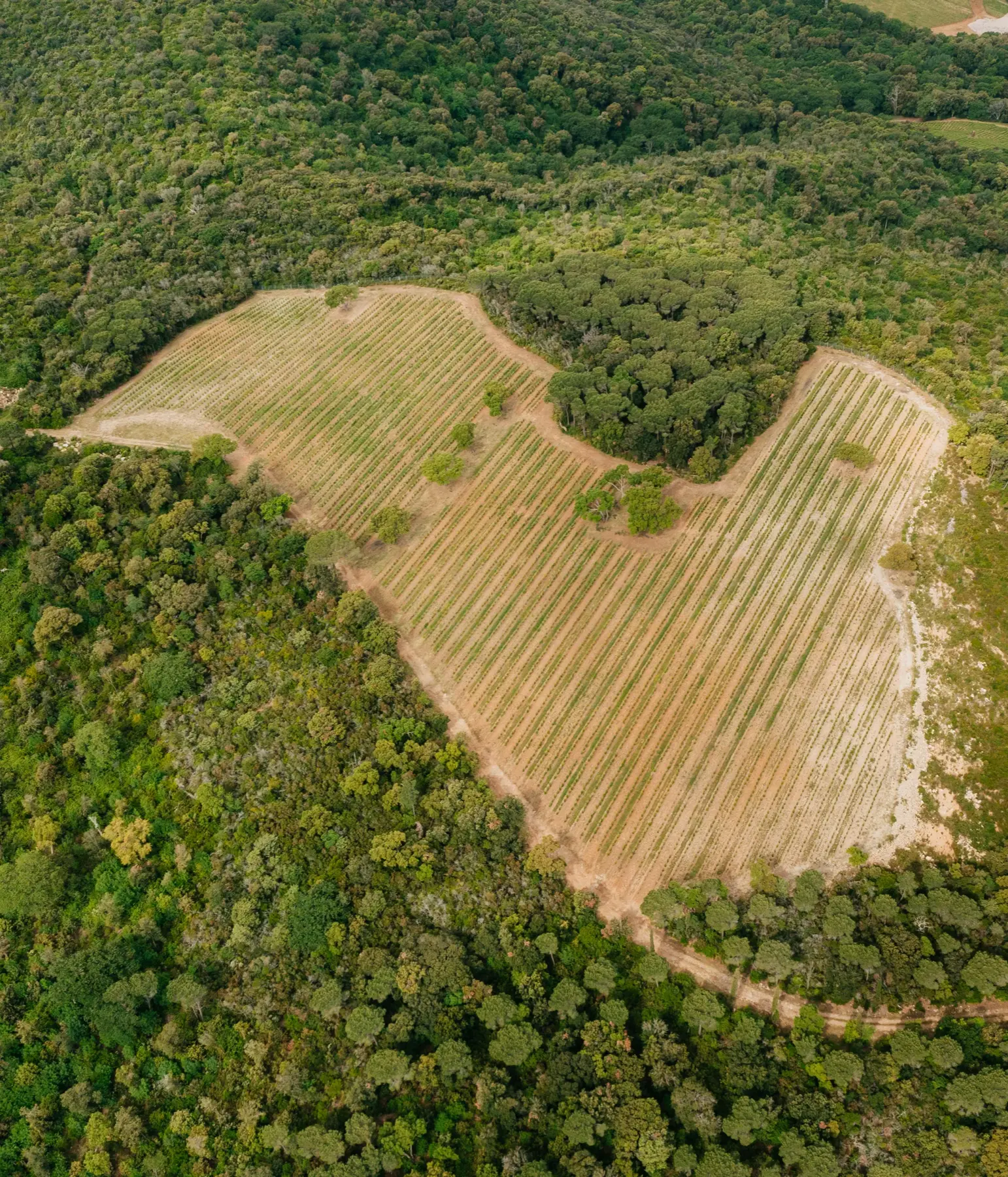
Of the roughly 1,300 hectares the Estate holds in the Bolgheri area, only 28 are planted to vine. This is the result of an uncompromising selection, guided by the study of a world-renowned pedologist, which allowed us to identify the finest parcels, down to plots of barely 0.1 hectares. From this comes our precision viticulture, a bespoke approach in which every parcel has a name and a care of its own.


Clinio

Harte

Hortense
EMC analysis
The technology that reads the soil
To understand our land in depth we turned to electromagnetic soil mapping, EMC technology. A non-invasive instrument which, by measuring the conductivity of the ground, reveals what the eye cannot see: the structure and composition of the soil, parcel by parcel.
Scanning + −
A sensor travels the vineyard taking over 1,000 scans per hectare , reading the ground metre by metre without ever disturbing it.
Pulse emission + −
The instrument emits electromagnetic pulses that pass deep through the layers of the soil.
Data collection + −
The responses of the ground are recorded, revealing its conductivity point by point.
Digital mapping + −
The data is translated into a detailed digital map that guides every decision in the vineyard.
Vineyard position and aspect
Altitude as a strength
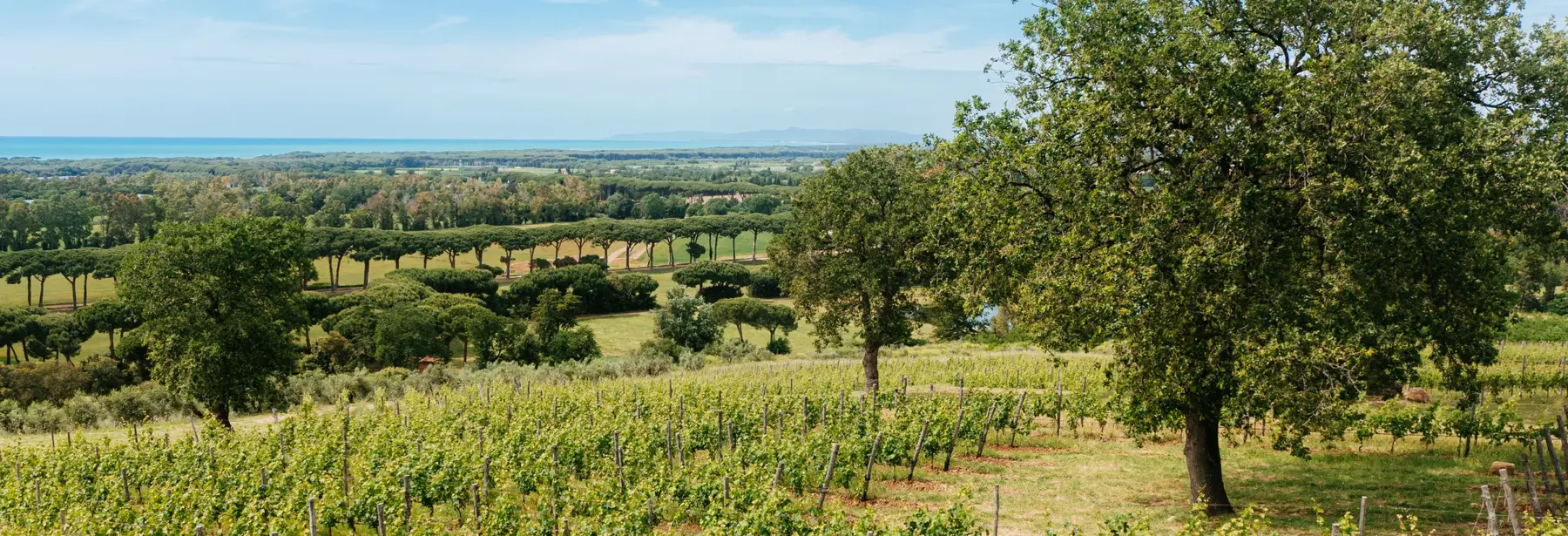
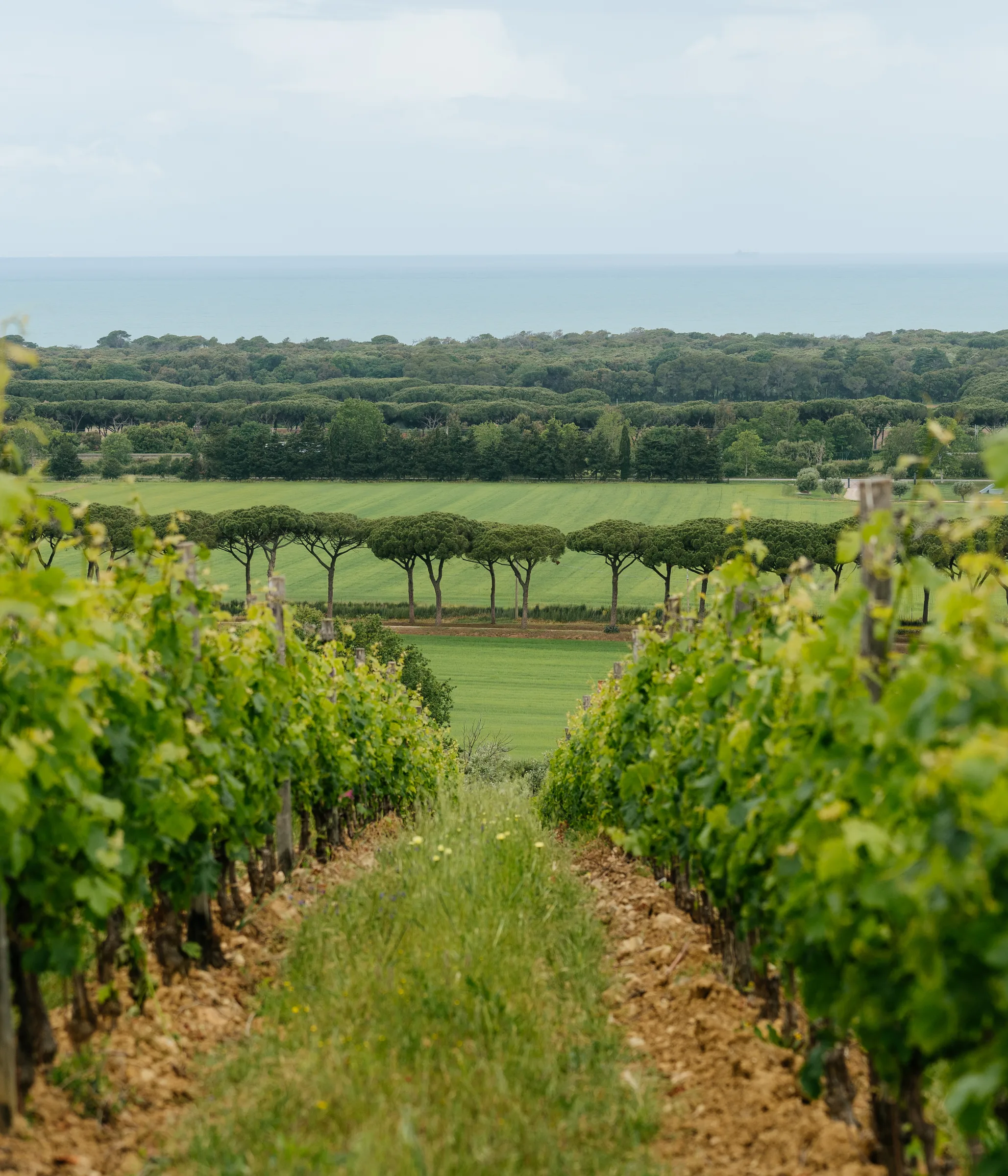
Our vines climb the hills of Bolgheri, between 80 and 235 metres above sea level. Altitude, gradient and the aspect of the rows govern the light the grapes receive and the rhythm of their ripening. More than anything else, it is elevation that gives our wines their freshness and elegance.
Aspects that seek the cool
Each Climat has its own aspect. The Hortense vines face north and north-east, those of Harte north, north-east and east, while Clinio opens to the north, north-west and south-west. These orientations favour a slow ripening, sheltered from excessive heat, preserving aromas, acidity and finesse.
Altitude, Climat by Climat
Altitude changes from one Climat to the next and shapes the character of each wine. Hortense climbs highest, between 180 and 235 metres, Harte sits between 150 and 210, while Clinio rests on the hills closest to the sea, between 80 and 150. The higher one goes, the cooler and more ventilated the climate, and the more the wine gains in drive and finesse.
The winds of Bolgheri
The breath of the sea
In Bolgheri the wind is not a detail but a signature. The breezes arrive steadily from the Tyrrhenian Corridor and, meeting the Colline Metallifere, wrap the vineyards for much of the year. From the sea rises a cool, saline breath, while from the north-east blow drier, more constant currents.
This continuous ventilation is precious. It keeps the vine healthy and dry, reducing humidity and the need to intervene. On our hills the wind heightens the temperature range between day and night, a gap that slows ripening and safeguards perfume, freshness and aromatic finesse.
And so the wind becomes part of the wine, carrying into the glass the clear echo of the sea and the Mediterranean scrub.
Contact
Every encounter begins with a word
Would you like to know more about our Estate, our vision or our wines? Leave us a message: we will be delighted to reply as soon as possible.
