

Environmental Commitment
Our love for this land is a long-standing one. We tend the vineyard as a living ecosystem, so that every decision we make is in harmony with the nature that inhabits it.
Environmental commitment
Our intent is to live in synergy with nature and its ecosystem
Tenuta Fratini was founded in 2016, yet its roots reach much further back. The bond with Bolgheri began in 1999 with the founding of Tenuta Argentiera, one of the most prestigious estates in the area, later sold after earning significant international recognition.
From that experience came a new challenge: to create great wines capable of expressing the authentic identity of Bolgheri.
The technical detail
Biodiversity study
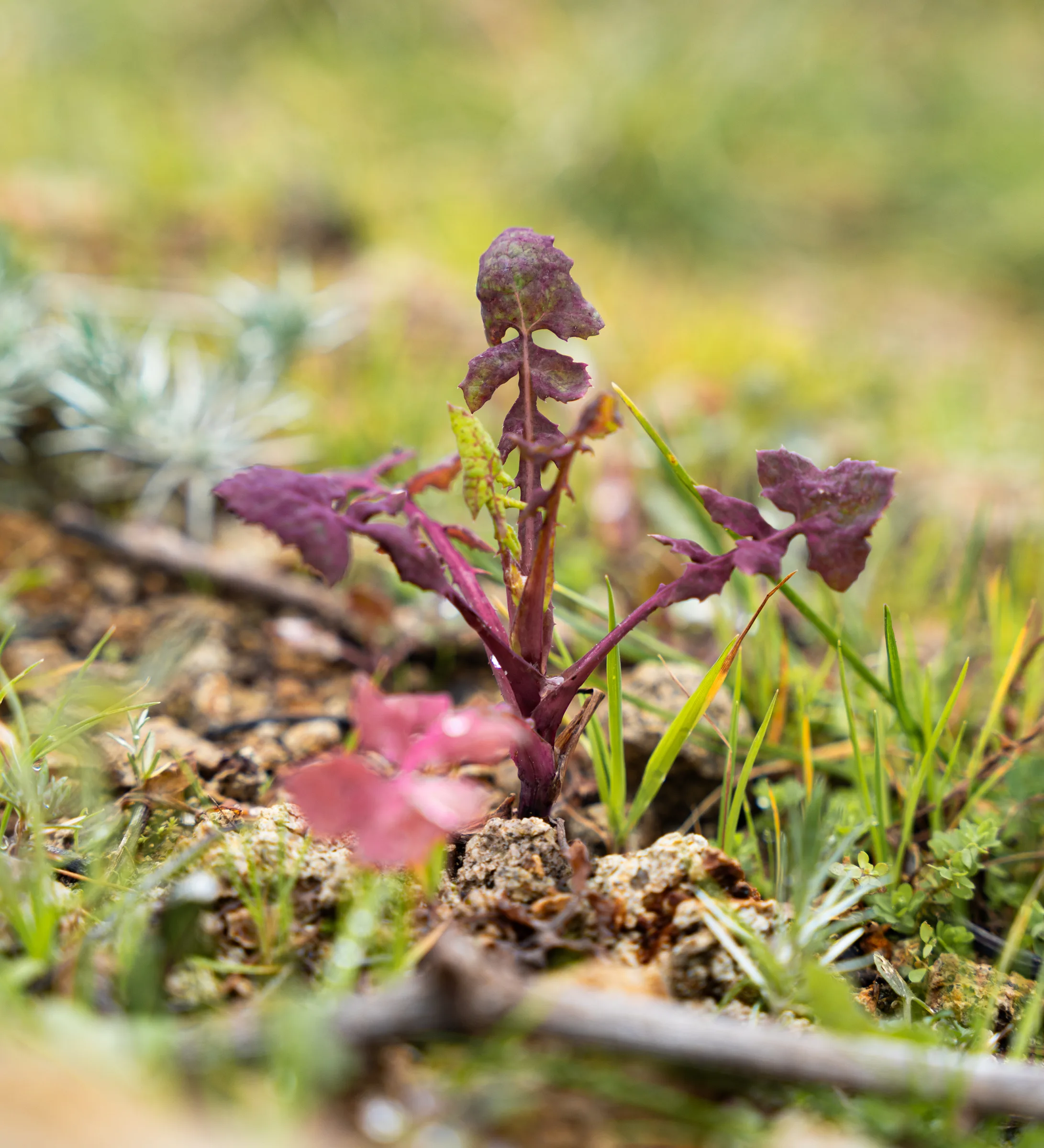
Spontaneous flora tells the health of the land
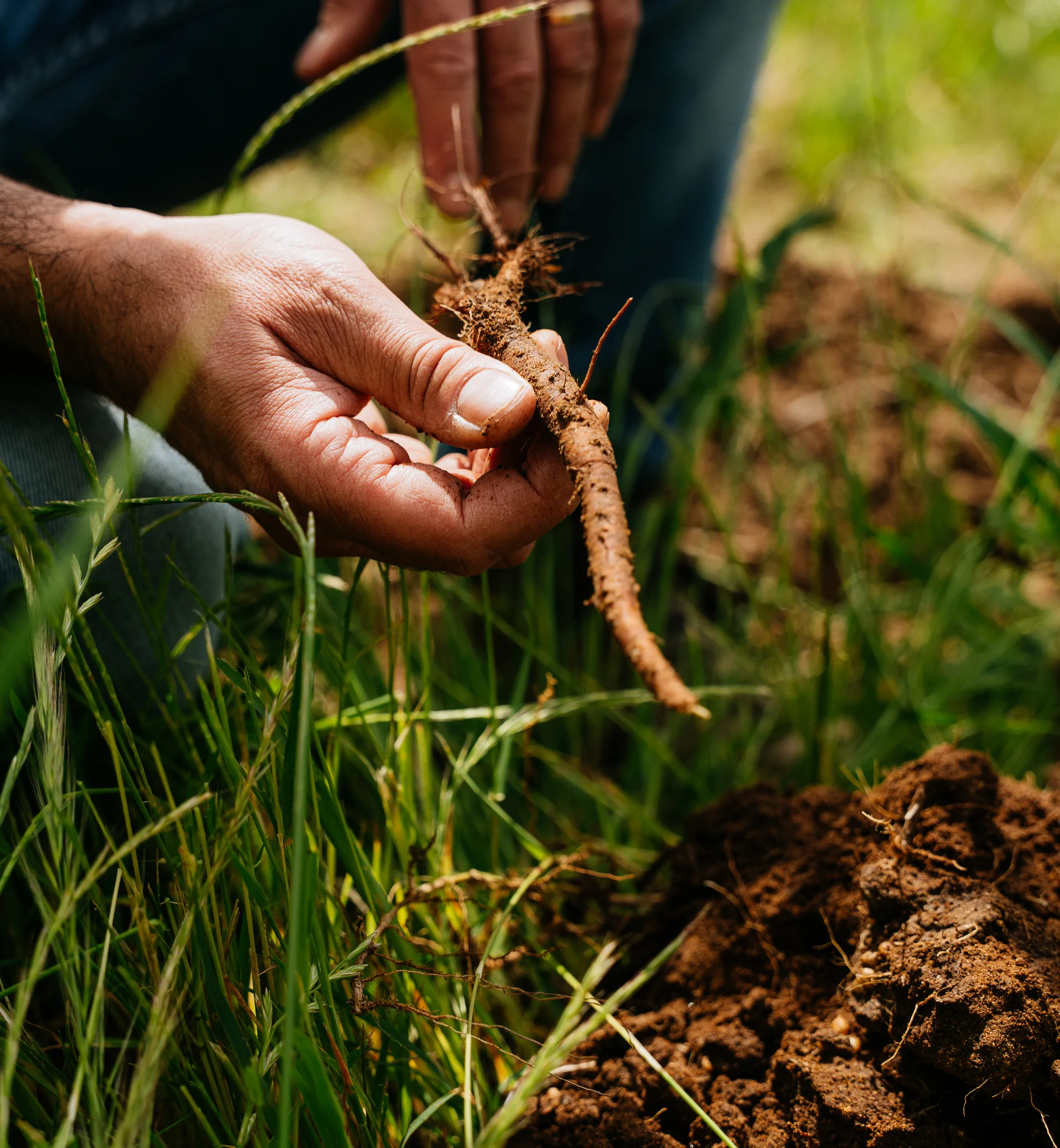
Each year we entrust our vineyard to the eyes of independent botanists and entomologists, who observe it as a living ecosystem. In 2025 the study examined the Poggio ai Mucchi vineyard, following its spontaneous flora from spring to late summer. For us, the plants that grow freely between the rows are a precious bioindicator, revealing how the soil is made, how much water it holds and how heavily the hand of man weighs upon it.
The picture that emerges is of a vineyard in balance. The vegetation cover is varied and well distributed, with species mingling harmoniously along the inter-row. Annual plants prevail, able to withstand the aridity of the Mediterranean climate and the driest summers. It is proof that our way of farming leaves room for nature rather than stifling it, and that spontaneous life still finds a home among our vines.

34% of the flora comes from natural or semi-natural habitats
More than a third of the flora comes from natural or semi-natural habitats, unconnected with cultivation. It is a high index of naturalness for a vineyard, and it tells how closely our land remains bound to the spontaneous balance of the Bolgheri landscape.

50 species, 21 families
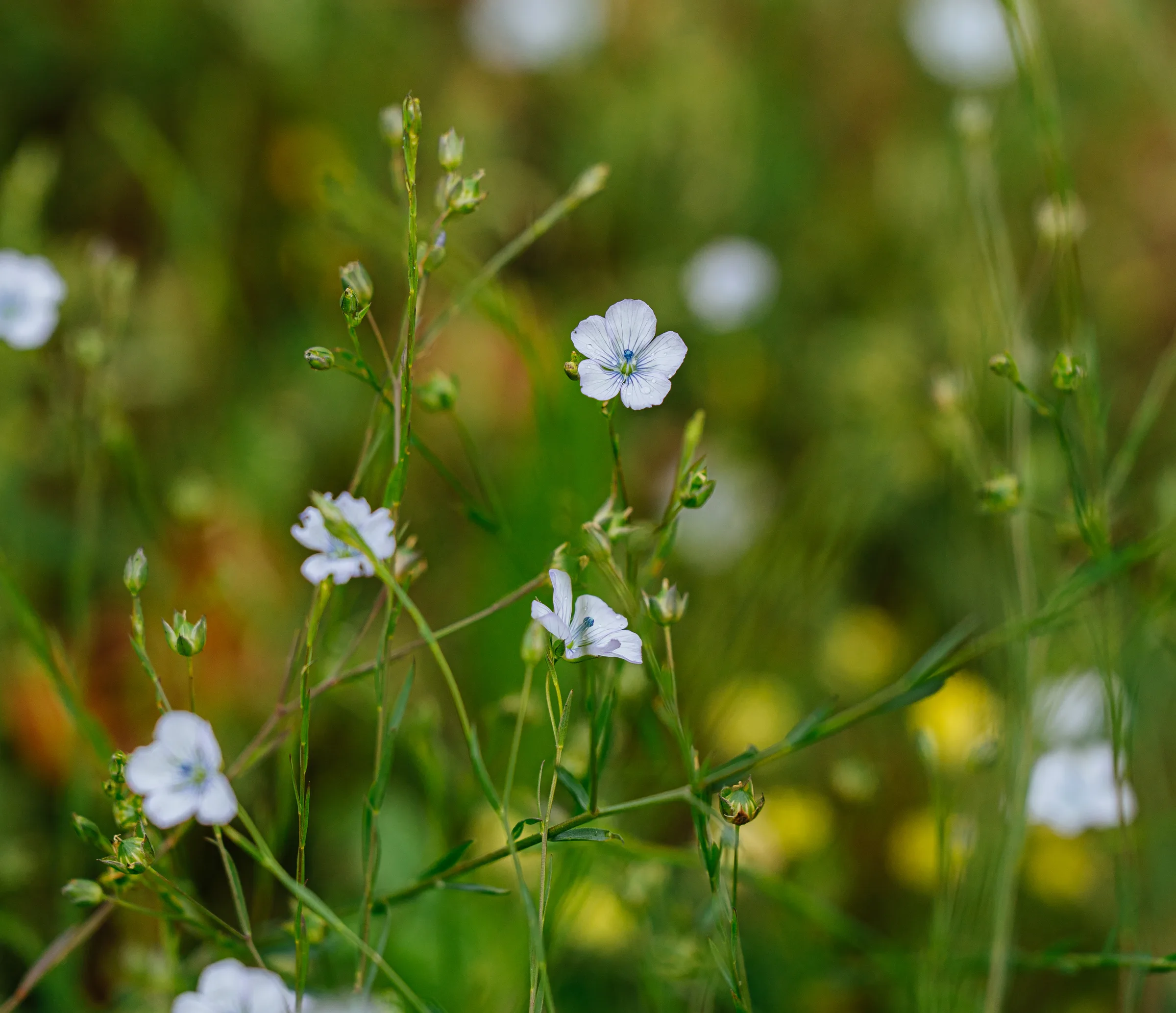
Biodiversity in the vineyard is high. Fifty different species live side by side along the rows, the sign of a system that tends towards balance and can regenerate on its own.
Only 6% alien species
Plants foreign to this land are very few, just three. A very low figure, which speaks of a healthy, little-disturbed environment where native flora remains at the fore.
26% ancient species
A quarter of the flora is made up of archaeophytes, the historic companions of cultivated fields. Their presence is the signature of low-impact management, kept faithfully over time.

The life that inhabits the soil + −
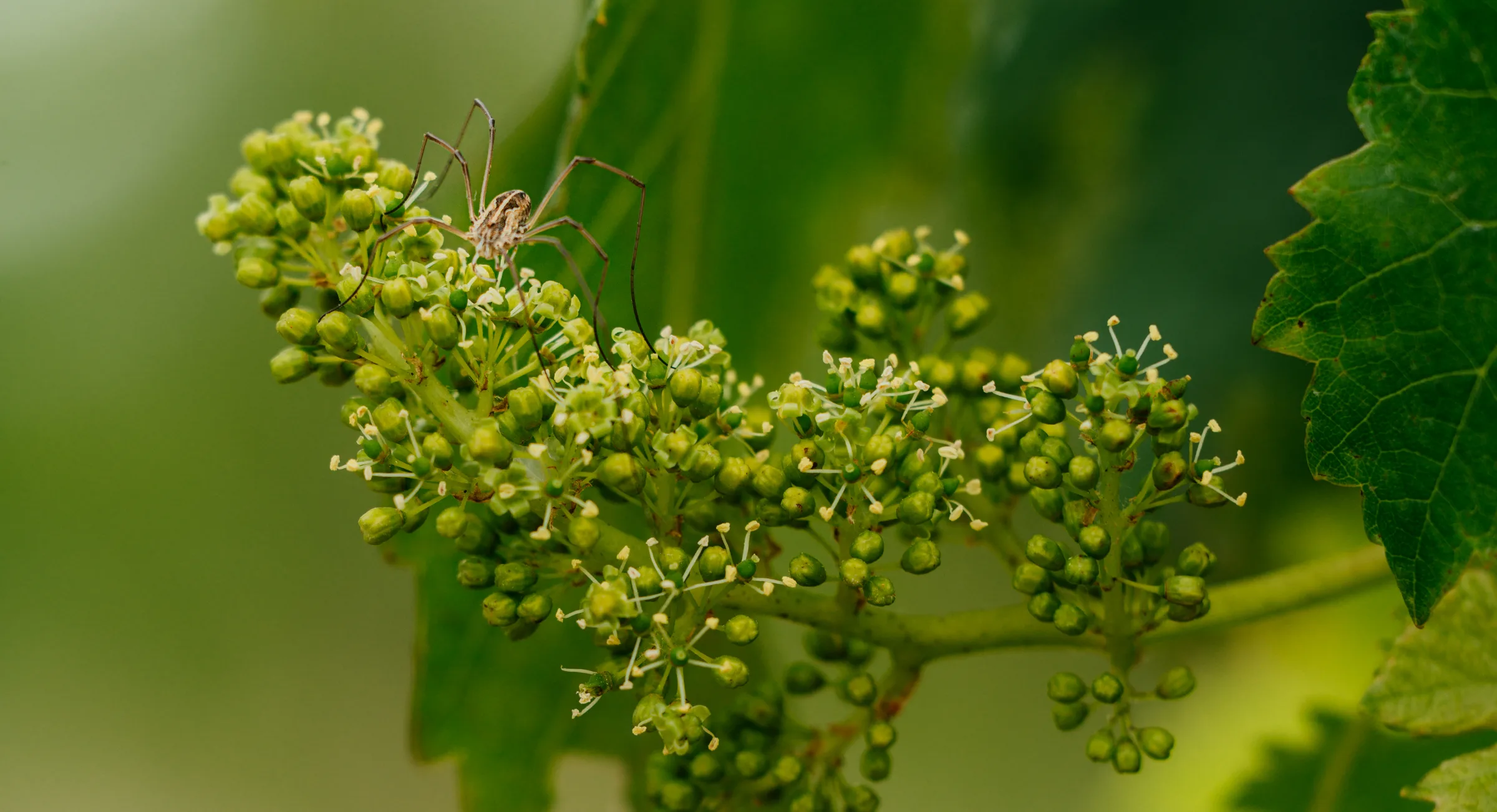
Alongside the plants we also observe the insects, silent sentinels of the vineyard’s health. In 2025 we recorded 67 different morphospecies, for a total of more than five hundred specimens. A rich and varied community, which speaks of an ecosystem alive and in motion.
The sentinels of healthy soil + −
Some small inhabitants are worth more than a thousand analyses. The presence of harvestmen and centipedes, which live only in little-disturbed habitats rich in moisture, is a precious signal. It tells us that our soil retains its litter, its cover and its hidden life, and that the balance we seek is truly rooted in the land.
Listening in order to intervene less + −
We do not study biodiversity in order to talk about it, but to let it grow. Every figure guides concrete choices, from delayed mowing that allows the grasses to set seed, to caring for the soil with organic matter. The less we force, the more nature plays its part, and the wine gathers the fruit of it.
Commitment before certification
Our commitment does not rest on a label, but on the practices of every day. We have long adopted integrated pest management, a method that keeps intervention to a minimum and acts only when nature calls for it, respecting the balance of the vineyard and of all that lives within it. Each year we entrust the land to the study of independent botanists, entomologists and agronomists, so that our choices are guided by facts rather than habit.
Soil care
We feed the land with organic matter and delay mowing to let the grasses set seed, safeguarding the life and fertility of the soil.
Respect for the vineyard
We intervene as little as possible and only when truly needed, choosing low-impact practices that respect its natural balance.
Biodiversity monitoring
Each year independent botanists and entomologists measure flora and insects, turning the health of the ecosystem into data that guides our choices.
Certifications and research
Knowing biodiversity in order to protect it
With DiversityBio we study the biodiversity of our vineyards through soil analysis and the monitoring of flora and insects. A journey of knowledge that leads us towards Diversity Ark certification and guides every agronomic choice in respect of natural balances.